Anthracite Bulk Coal Facts
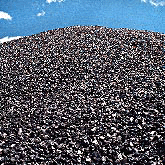
What is Anthracite?
Also known as hard coal, anthracite is a rare form of coal that is shiny and hard in appearance. Composed of 92-98% carbon, it burns with high heat, few pollutants, and no smoke emissions. Anthracite is predominantly mined in the historic northeastern Pennsylvania reserves. From this concentrated region, JP Anthracite Resources exports this high-grade carbon resource to heavy industries and municipal facilities worldwide, bridging critical supply gaps in the global market.
Heating with coal, really?
Yes, really. Because anthracite coal is clean burning, easy to use, and affordable, it remains a common source of heat throughout the northeast United States. In fact, anthracite remains a primary and supplemental heating fuel for many institutional buildings, schools, green-houses, and homes.
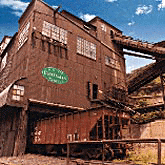
Is anthracite dirty to use?
Unlike other forms of coal which are dusty and emit smoke and soot, anthracite coal is clean burning and clean handling. It does not smudge and has minimal dust when properly prepared and treated. This is because anthracite is denser than other forms of coal and glass-like in appearance. Anthracite ash is also safe to handle and can be used as clean-fill or disposed of through normal refuse collection.
How do you use anthracite?
There are two types of anthracite units: hand-fired and stoker-fired. Hand-fired stoves operate like wood stoves and require more frequent tending than stoker-driven units. Hand-fired units use larger sizes of coal (like Stove and Chestnut) and usually have burn times between 12-24 hours. Stoker units operate similarly to pellet stoves and usually have hoppers that are filled every few days. Once the hopper is filled and ash removed, they operate automatically. Depending on weather conditions, they can operate as long as 7 days without tending.
What are the advantages of anthracite?
As a premium carbon source with unmatched energy density, high-quality anthracite is a highly sought-after commodity in global trade. From heating to metallurgy and water filtration, its superior energy density and clean-burning characteristics provide international industries with an efficient, stable, and cost-effective solid fuel that outperforms wood pellets and other biomass alternatives in bulk logistics.
Anthracite also burns cleaner than firewood and wood pellets. Unlike wood, anthracite burns with no odor, smoke, and few particulate emissions. And it does not leave dangerous creosote deposits in your chimney. Long prized for its clean burning nature, anthracite is the original clean fuel.